


5 Simple Ways to Keep Indoor Humidity Balanced During Florida’s Cooler Months
Even though Fort Myers is known for its heat and humidity, the cooler months can actually bring a new challenge to your home comfort: imbalanced indoor humidity. When the temperatures drop — even slightly — your HVAC system and reduced ventilation can lead to dry air, excess moisture, or both, depending on your setup and habits.
At Extreme Temp Air Conditioning & Heating, we know that maintaining the right humidity level is just as important in the winter as it is during the summer. In this blog, we’ll share 5 easy and effective ways to keep your home’s humidity balanced, so you can stay comfortable, protect your indoor air quality, and avoid the discomforts of overly dry or overly damp air this season.

Here’s how to keep your home comfortable and your air balanced all season long.
Why Humidity Drops When It’s Cold
Cold air naturally holds less moisture than warm air. As outdoor temperatures fall, the air that enters your home through small leaks or ventilation systems becomes drier. Once it’s heated indoors, that already-dry air expands, dropping relative humidity even further.
Home heating systems also contribute to the problem. Furnaces and heat pumps circulate warm air throughout the house, and this process can strip away what little moisture remains. Over time, the combination of outdoor cold and constant indoor heating makes your home feel dry and uncomfortable.
In Florida, this effect is even stronger. The region’s winters are mild but dry, which means homes often experience static shocks, creaky wood, and dry air long before temperatures get extreme.
The Ideal Indoor Humidity Range for Comfort and Health
Indoor humidity affects more than comfort, it impacts air quality, health, and even how your home ages. The right balance helps prevent dry skin, keeps wood furniture from cracking, and supports better breathing during the colder months.
Most homes stay comfortable between 30% and 50% relative humidity. The ideal range for cooler months is around 35% to 45%, which keeps the air comfortable without causing condensation or mold.
Too much humidity can lead to moisture buildup on windows and walls, while too little can leave you feeling parched. Maintaining that middle ground keeps your home healthy and efficient year-round.
Signs Your Indoor Air Is Too Dry
If your home feels uncomfortable during winter, check for these common signs of low humidity:
- Frequent static shocks when touching metal or fabrics
- Dry, itchy skin or chapped lips
- Nose or throat irritation
- Cracking or shrinking wood furniture or floors
Signs Your Indoor Air Is Too Damp
Too much moisture indoors can be just as uncomfortable. Watch for:
- Condensation forming on windows or mirrors
- A musty smell in closed rooms or closets
- Visible mold spots on walls, ceilings, or vents
- Sticky or heavy air even when the heater is on
5 Practical Ways to Balance Humidity in Cooler Months
Dry indoor air and sticky rooms can make winter feel longer than it should. These five practical steps can help you control humidity safely, protect your home, and keep your family comfortable all season long.
1. Use a Humidifier

A humidifier adds moisture to the air, making it one of the most effective ways to relieve winter dryness. Portable units are perfect for single rooms, while whole-house humidifiers connect to your HVAC system to maintain consistent levels throughout your home.
Whichever type you use, keep it clean. Dirty water tanks can release bacteria and minerals into the air, which may irritate your lungs. Empty and rinse the tank daily, deep-clean it weekly, and use distilled or filtered water to prevent scale buildup. Regular cleaning not only protects your health but also extends the life of the unit.
2. Monitor Levels with a Hygrometer or Smart Thermostat
You can’t balance what you can’t measure. A hygrometer, a small, inexpensive humidity meter, shows your home’s moisture level in real time. Many smart thermostats now include built-in sensors that make this even easier.
Aim to keep indoor humidity between 35% and 45% during cooler months. Anything lower causes dry air and irritation, while higher levels can lead to condensation and mold. Check readings regularly and adjust your humidifier or heating settings as needed.
3. Let Everyday Moisture Work for You
You naturally produce moisture through daily activities, don’t let it go to waste.
Here are easy ways to add humidity safely:
- Air-dry laundry indoors. It saves energy and releases gentle moisture into the air.
- Leave the bathroom door open after a shower. Steam from hot water spreads naturally and improves humidity.
- Cook without lids occasionally. The steam from simmering soups or boiling water helps counteract dry air.
These habits are simple, free, and effective for improving humidity without using extra appliances.
4. Improve Ventilation and Seal Drafts
Proper ventilation keeps moisture from collecting while sealing drafts helps retain the humidity you already have. Balance is key.
- Run exhaust fans in kitchens and bathrooms only as needed. Overuse can strip too much moisture from the air.
- Inspect and seal gaps around windows, doors, and ductwork.
- Add weatherstripping or insulation where cold air leaks in.
These small improvements prevent dry outdoor air from constantly entering and make your heating system work more efficiently.
5. Keep HVAC Systems in Check
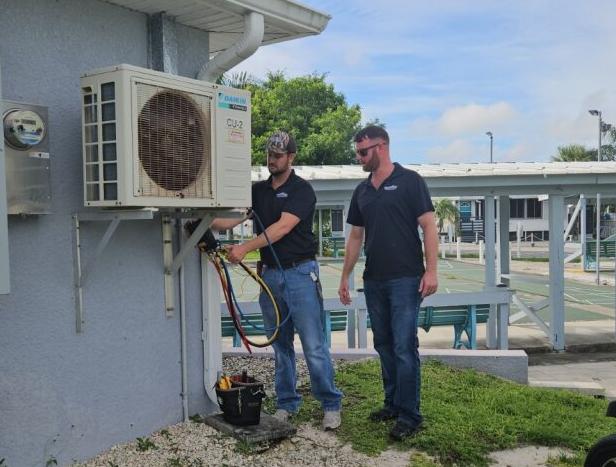
Your HVAC systems play a major role in how well your home maintains humidity. Change air filters regularly, inspect ducts for leaks, and schedule seasonal tune-ups to ensure your system distributes warm air evenly.
If your air still feels unbalanced after taking these steps, Extreme Temp Air Conditioning & Heating can help. Our licensed technicians can assess your HVAC systems to find hidden causes of humidity problems and restore lasting comfort to your home.
Common Humidity Mistakes to Avoid
Keeping humidity balanced isn’t about how much moisture you add, it’s about control. A few well-meaning habits can easily push your home out of balance.
- Adding too much moisture. Running a humidifier nonstop can make windows sweat and walls damp. Over time, this leads to mold, peeling paint, and wood damage.
- Skipping maintenance. Dirty HVAC filters, duct leaks, or unnoticed plumbing drips can all affect indoor air. Regular checks keep everything running smoothly and prevent uneven humidity.
- Closing vents in empty rooms. This creates air pressure problems that strain your system and cause hot and cold spots throughout the house. It’s better to keep air circulating evenly.
How to Prevent Window Condensation and Mold
Condensation forms when warm indoor air meets cold surfaces, usually around windows. To stop it before it turns into a problem:
- Allow warm air to circulate freely by keeping vents open and furniture away from registers.
- Crack open blinds during the day so sunlight can warm the glass.
- Use ceiling fans on low, reverse mode to push warm air down in winter.
- Wipe off moisture early before it seeps into the window frame or drywall.
Small airflow adjustments like these are often enough to keep condensation under control without adding or removing more humidity.
Can Indoor Plants Help Regulate Humidity in Winter?
Plants add a touch of moisture naturally as they release water through their leaves. While they won’t replace a humidifier, they can slightly improve dry indoor air.
Try adding a few easy-care varieties such as:
- Peace lily – thrives in moderate light and releases steady moisture.
- Spider plant – durable and compact, ideal for bedrooms or offices.
- Areca palm – a lush option that helps larger rooms feel less dry.
Treat them as helpful companions rather than primary solutions, they enhance comfort, not control.
Energy Efficiency and Comfort
Humidity control isn’t just about comfort, it’s about cost. Air with moderate moisture holds heat better, so your home feels warmer at lower thermostat settings. That means less strain on your heating system and lower utility bills through winter.
Good humidity management also prevents excess drying, which can cause your furnace to run longer than needed. The right balance keeps energy use steady, helps your system last longer, and saves money month after month.
When to Call a Professional
Sometimes, humidity problems aren’t just about the weather, they point to something deeper inside your home’s systems. Persistent dryness, musty odors, or recurring condensation can signal HVAC or ductwork issues that need expert attention.

If your air feels dry even with a working humidifier, your furnace or duct system may be pulling in too much outdoor air or leaking conditioned air through gaps. On the other hand, damp walls or mold spots could stem from hidden plumbing leaks or poor ventilation. These are signs that home adjustments alone won’t fix the problem.
That’s where Extreme Temp Air Conditioning & Heating comes in. Our licensed, local technicians have decades of experience diagnosing and correcting indoor air issues across Florida homes. We offer free second opinions so you can make informed decisions with confidence and no pressure.
If dry air or condensation keeps returning, schedule a seasonal humidity check with Extreme Temp Air Conditioning & Heating, trusted by Florida homeowners for years.
Frequently Asked Questions
What causes low humidity in winter?
Cold air holds less moisture than warm air. When outdoor air enters your home and gets heated, it becomes even drier. This, combined with the moisture loss from heating systems, causes humidity levels to drop indoors during colder months.
What is the ideal humidity level for a house in winter?
Most homes stay comfortable between 35% and 45% relative humidity during winter. This range helps prevent dry air without creating condensation or mold. Staying within that range keeps your home comfortable and energy-efficient.
How can I safely increase humidity in a dry house during winter?
Use a clean, well-maintained humidifier to add moisture to the air. You can also let steam from showers or cooking spread through your home and air-dry laundry indoors. These small actions help raise humidity naturally and safely.
What happens if indoor humidity is too high in winter?
Excess humidity can lead to condensation on windows and walls, which encourages mold growth and wood damage. It also makes your home feel colder and stuffier. Proper ventilation and controlled humidifier use help prevent this problem.
Can plants really help with humidity?
Yes, certain houseplants release small amounts of moisture through their leaves, improving humidity slightly. Peace lilies, spider plants, and areca palms are good examples. However, plants alone can’t replace a humidifier or HVAC adjustment.
How do I prevent window condensation and mold in winter?
Keep air circulating around windows by opening blinds and running ceiling fans on a low setting. Avoid over-humidifying, and wipe away condensation early before it seeps into wood or drywall. Balanced humidity and good airflow prevent mold growth.
Final Thoughts
Keeping your indoor humidity balanced during the cooler months may not always be top of mind, but it plays a big role in your overall comfort, air quality, and even the health of your home. Whether you’re battling dry air, lingering moisture, or musty odors, a few simple adjustments can make a noticeable difference.
At Extreme Temp Air Conditioning & Heating, we’re here to help Fort Myers homeowners stay comfortable all year long — not just when it’s hot. From HVAC system checks to humidity control solutions, our team has the experience and tools to keep your home in perfect balance.
📞 Need help finding the right solution for your home? Give us a call today and let’s tackle your indoor comfort, one season at a time.

Struggling with humidity at home? See how a whole-home dehumidifier and our indoor air quality services can help.