

How Long Does an HVAC System Last? Key Factors That Affect Its Lifespan
Your HVAC system is one of the biggest investments in your Fort Myers home—so it’s natural to wonder how long it should last and what you can do to keep it running strong. While most systems offer reliable performance for 10–15 years, several factors can shorten or extend that lifespan, including Florida’s heat, humidity, maintenance habits, and overall system quality.
At Extreme Temp Air Conditioning & Heating, we help homeowners understand what impacts their HVAC system’s longevity so they can make smart decisions about repairs, upgrades, and maintenance. In this blog, we’ll break down the typical lifespan of an HVAC unit, the biggest factors that influence it, and how to get the most years—and the most comfort—out of your investment in Southwest Florida’s challenging climate.
How Long Do HVAC Systems Last?
Not all HVAC systems are built the same, and their lifespans can vary widely depending on the type and conditions they face. Here’s a breakdown of typical lifespans for the most common systems:
- Furnaces: With proper maintenance, gas furnaces usually last 20–30 years. Oil furnaces, however, tend to have a shorter life, around 10–15 years, due to maintenance challenges related to fuel efficiency.
- Boilers: Known for their durability, boilers often last 20–35 years. They’re usually replaced when the heat exchanger starts leaking, a costly repair.
- Air Conditioning Units: Standard air conditioners operate effectively for 10–20 years, but units in coastal areas may see shorter lifespans due to salt exposure causing corrosion.
- Heat Pumps: Designed for both heating and cooling, heat pumps typically last 10–20 years. Coastal conditions can lower their life expectancy to about 7–12 years.
- Ductless Mini-Splits: These versatile systems last 10–30 years. However, their lifespan depends heavily on proper installation and consistent maintenance.
Factors That Affect HVAC System Longevity
Poor Maintenance Practices
Regular maintenance prevents small issues from turning into costly repairs. Tasks like cleaning filters, inspecting refrigerant levels, and scheduling annual tune-ups reduce wear on essential components.
Why it matters:
- Dirty filters block airflow, forcing the system to work harder.
- Ignoring minor issues, like refrigerant leaks, can cause serious damage over time.
Our team at Extreme Temp Air Conditioning & Heating knows the importance of keeping your system in top shape. With our preventative maintenance services, you can trust that everything will run smoothly all year round.
Installation Quality
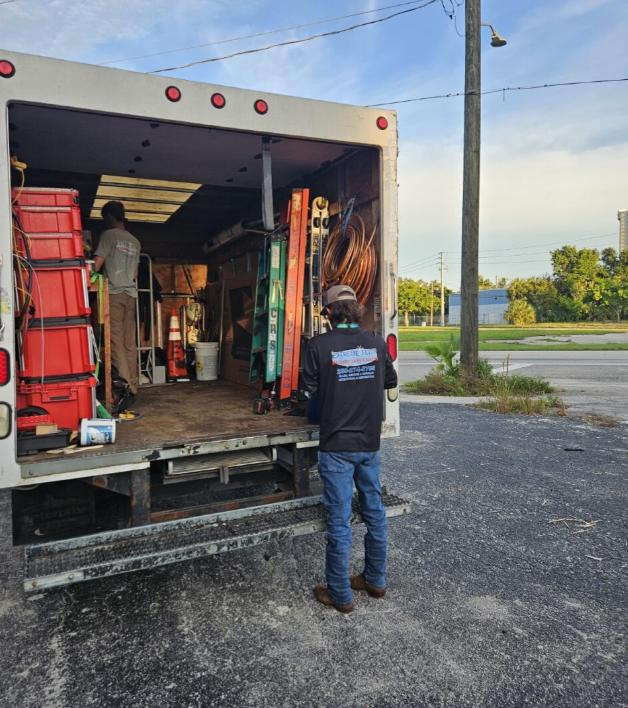
A system installed incorrectly may not perform as expected and can fail early. Professional installation ensures proper sizing, secure connections, and optimized airflow.
Why it matters:
- Poor installation can lead to inefficient operation and frequent breakdowns.
- Incorrect sizing causes unnecessary strain, reducing the system’s lifespan.
At Extreme Temp Air Conditioning & Heating, we’ve been helping homeowners with expert installations since 2008. Our technicians focus on getting it right the first time, so your system works the way it should for years to come.
Usage Patterns
Running your HVAC system too often or inefficiently increases wear and tear. Small adjustments in usage can make a significant difference in longevity.
Why it matters:
- Systems that operate nonstop are more likely to break down.
- Misuse, like cooling with windows open, wastes energy and strains components.
Environmental Conditions
Your local climate affects how hard your HVAC system has to work. Coastal areas and dusty regions pose unique challenges.
Why it matters:
- Salt air corrodes outdoor units, shortening their lifespan.
- Dust clogs filters and ducts, reducing efficiency and requiring frequent cleaning.
Regular maintenance and consulting a professional can help your system withstand environmental challenges.
Equipment Quality
High-quality systems from reputable brands often last longer and perform better.
Why it matters:
- Durable components resist wear and require fewer repairs.
- Budget systems often need early replacements, increasing long-term costs.
Choosing high-quality equipment and consulting with a professional ensures better performance and reliability over time.
System Sizing
Proper sizing ensures efficient operation and reduces unnecessary wear. Oversized or undersized systems can lead to avoidable problems.
Why it matters:
- Oversized units cycle on and off too often, stressing components.
- Undersized systems run continuously, wearing out faster and using more energy.
A professional can assess your home’s needs and recommend the right-sized system for optimal efficiency.
Climate
Extreme weather conditions can force HVAC systems to work harder. Poor insulation in your home amplifies this strain.
Why it matters:
- High humidity adds extra load, especially for cooling systems.
- Heating systems in very cold areas struggle without proper insulation, reducing efficiency and durability.
Warning Signs Your HVAC System May Need Replacement
Recognizing when your HVAC system is nearing the end of its lifespan can save you from unexpected breakdowns and costly repairs. Look out for these key warning signs to determine if it’s time to consider a replacement.
- Frequent Repairs: Constant repairs are a sign that your HVAC system is struggling. If repair bills are adding up, replacing the system could be more cost-effective in the long run.
- Rising Utility Bills: An increase in your energy bill often indicates that the system isn’t operating efficiently. Older systems work harder to heat or cool your home, leading to higher costs.
- Unusual Noises or Odors: Strange noises like banging, rattling, or screeching suggest mechanical issues. Odd smells, such as a burning or musty odor, could point to serious problems like mold or electrical faults.
- Inconsistent Temperatures: Uneven heating or cooling across different rooms can mean your HVAC system is struggling. It might no longer have the capacity to distribute air evenly.
- Expired or Soon-to-Expire Warranty: An expired warranty often means the system is reaching the end of its expected lifespan. Without coverage, future repairs could become expensive and frequent.
- High Indoor Humidity: If your home feels damp or humid, your HVAC system might not be managing moisture well. This can lead to discomfort and potential mold growth.
Tips to Extend the Life of Your HVAC System
Taking care of your HVAC system is essential to keep it running efficiently and avoid costly replacements. Here are some practical tips to help extend its lifespan:
Regular Maintenance
Routine maintenance is key to keeping your HVAC system in top shape. A simple checklist can make a big difference:
- Clean ducts and coils to improve airflow and efficiency.
- Change air filters regularly to prevent blockages that make the system work harder.
- Schedule professional inspections to catch small issues before they become expensive repairs.
Insulation Upgrades
Proper insulation reduces the strain on your HVAC system by maintaining indoor temperatures more effectively. Small upgrades can make a big impact:
- Seal doors and windows to prevent air leaks.
- Add thermal curtains or upgrade attic insulation to improve energy efficiency.
Smart System Upgrades
Modern technology can optimize your HVAC’s performance and energy use. Consider these upgrades:
- Install a programmable thermostat to automate temperature settings based on your schedule.
- Upgrade to a smart thermostat for better control and efficiency from your phone or voice assistant.
- Replace old components with energy-efficient options to reduce wear and save money on utility bills.
Outdoor Unit Care
The outdoor unit is exposed to the elements, so regular care is essential. Simple steps to keep it in good condition include:
- Clear debris and vegetation around the unit to improve airflow.
- Clean the unit’s exterior to prevent dirt buildup that can hinder performance.
- Protect the unit from extreme weather with a cover when it’s not in use.
Give Your HVAC System a Rest
Reducing unnecessary strain can extend the system’s life. Turn off your HVAC during mild weather and let fresh air cool or heat your home naturally. Even small breaks help reduce wear on critical components.
When to Choose Repair vs Replacement
Deciding whether to repair or replace your HVAC system depends on its age, performance, and repair costs. Use these tips to make the best decision:
- Consider the system’s age. If it’s over 10–15 years old, replacement might be more cost-effective.
- Evaluate repair costs. Repairs that cost more than half the price of a new system are often not worth it.
- Check energy efficiency. Older systems that drive up utility bills may save you money in the long run by upgrading to a newer, energy-efficient model.
- Look at performance. If your system struggles to maintain consistent temperatures, it may not be worth repairing.
Consult a professional HVAC technician to get an expert assessment and advice tailored to your home and needs. Being proactive can save you money and improve your comfort for years to come.
Frequently Asked Questions
How often should filters be replaced?
Replace standard HVAC filters every 90 days to maintain optimal air quality and system efficiency. Homes with pets or allergies may require more frequent changes, possibly every 30 to 60 days.
What is the ideal time for maintenance checks?
Schedule HVAC maintenance twice a year: air conditioning systems in the spring and heating systems in the fall. This ensures optimal performance before peak usage seasons.
Can upgrading a single component extend the system’s life?
Upgrading components like thermostats or air filters can enhance efficiency and potentially extend your HVAC system’s lifespan. However, comprehensive maintenance is essential for significant longevity improvements.
How does insulation affect HVAC performance?
Proper insulation reduces the workload on your HVAC system by maintaining consistent indoor temperatures. This leads to improved efficiency and can prolong the system’s lifespan.
Conclusion
Understanding the lifespan of your HVAC system—and the factors that influence it—can help you plan ahead, avoid unexpected repairs, and protect your home’s comfort year-round. With proper maintenance, quality equipment, and attention to performance changes, many systems can last well beyond their expected lifespan, even in Florida’s demanding climate.
If you’re unsure about the condition of your current system or want expert guidance on repairs, tune-ups, or replacement options, Extreme Temp Air Conditioning & Heating is here to help. We proudly serve Fort Myers and the surrounding communities with honest recommendations and dependable HVAC service.
Stay comfortable, stay prepared, and trust our team to keep your system running at its best for years to come.
Wondering whether to repair or replace? Get a free AC replacement quote or a free second opinion, and keep your current system going longer with regular AC maintenance.