


What Is a SEER Rating — and Why Does It Matter for Your Florida AC System?
If you’re shopping for a new air conditioner or simply trying to understand your current system better, you’ve probably come across the term SEER rating. But what does it actually mean — and why should homeowners in Fort Myers care?
SEER stands for Seasonal Energy Efficiency Ratio, and it’s one of the most important factors in determining how efficiently your AC system operates throughout the year. In Florida’s long, hot, and humid summers, a high-efficiency system can make a big difference — not only in your comfort but also in your energy bills.
At Extreme Temp Air Conditioning & Heating, we’re here to break down what SEER ratings really mean, how they impact your cooling costs, and what to look for when choosing a system for your Southwest Florida home.
What Is SEER Rating?
SEER is a key metric used to measure how efficiently an air conditioner cools your home. This number tells you how much cooling output, measured in BTUs, the system delivers over an average cooling season, divided by the amount of energy, in watt-hours, it uses during that time. In short, the higher the SEER rating, the more cooling power you get for each unit of electricity consumed.
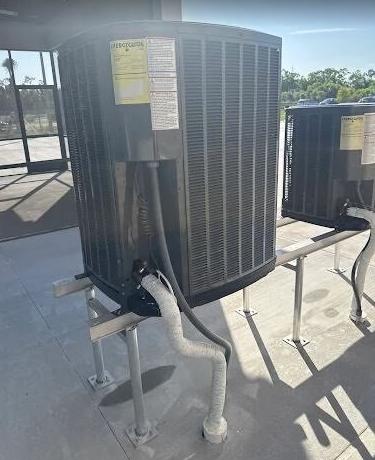
You can find the SEER rating for your cooling system printed on the Energy Guide label that is generally attached to the outside of the unit. This label provides useful information about the system’s energy usage, allowing buyers to make informed decisions when buying a new unit. While the SEER rating shouldn’t be the only thing you look at when purchasing an AC, it is a critical aspect that influences your decision.
At Extreme Temp, we make it easy to choose an air conditioner that meets your requirements. Our offerings include split AC units, package AC units, residential-rated air conditioners, and mini-split or ductless systems designed for single rooms or small areas. Remember that even if your current AC system is still serviceable, you could see significant energy savings from a new cooling system, making the upgrade worth the initial investment.
Why SEER Rating Matters
Understanding your AC’s SEER rating isn’t just about numbers but rather has real-world impacts on your wallet, your comfort, and the environment.
First, a higher SEER rating means that your air conditioner uses less energy to deliver the same amount of cooling. That translates to lower monthly utility bills, especially during the hot summer months when your system is working overtime. Using less electricity doesn’t just save money but also reduces your home’s carbon footprint. A high-efficiency AC helps cut down on greenhouse gas emissions, making it an eco-friendlier choice.
High-SEER systems often come with advanced features like variable-speed motors and smart thermostats, which help maintain a more consistent indoor temperature and reduce hot or cold spots in your home. While high-SEER units generally cost more upfront, they can pay for themselves over time through energy savings and potential rebates. In many cases, homeowners see a meaningful return on investment over the life of the system.
What’s a Good SEER Rating?
What exactly counts as a “good” SEER rating? In the U.S., the minimum standard for new central air systems is typically 13 or 14 SEER, depending on the region. This is the baseline set by the Department of Energy to ensure that modern systems meet basic efficiency requirements.
However, if you’re looking for high-efficiency performance, you’ll want to aim for a unit rated 16 SEER or higher. These systems are designed to deliver better cooling with less energy use and often feature advanced components like smart controls that help homeowners maximize the efficiency of their cooling systems.
It’s also worth considering your location. In hotter climates where the AC runs more often, investing in a higher SEER system can make a bigger difference in energy savings over time. In cooler regions, the benefits may be smaller since the AC isn’t used as heavily.
When you contact Extreme Temp for air conditioning services, you can rest assured that your cooling unit is in good hands. Our installation teams are certified by the North American Technician Excellence program, meaning you’ll receive a professional installation by friendly and attentive technicians. We also offer customer care plans to ensure that your new system continues to run efficiently for many years to come.
SEER vs. SEER2: What’s the Difference?
If you’ve been shopping for a new AC recently, you may have come across SEER2 and wondered how it differs from the traditional SEER rating.
In simple terms, SEER2 is the updated version of SEER. It was introduced to reflect more accurate, real-world testing conditions. While SEER was calculated under ideal lab scenarios, SEER2 uses new testing standards that account for things like external static pressure, making the efficiency ratings more realistic and reflective of how systems actually perform in your home.
The most important thing to remember is that a SEER2 number is not directly equivalent to a standard SEER number. For example, a system rated at 15 SEER under the old system might show a slightly lower SEER2 rating because of the stricter testing methods, but that doesn’t mean that the unit is less efficient. Instead, it means that the measurement is now more honest and aligned with real-world performance.
When Should You Upgrade?
Are you wondering if it’s a good time to replace your current AC system? There are a few telltale signs that your unit might be inefficient, such as rising energy bills, uneven cooling throughout your home, frequent breakdowns, or a system that’s more than 10 to 15 years old, as many older units have SEER ratings below today’s standards.
When comparing the cost-benefit of replacing an old, low-SEER unit versus repairing it, think long term. While repairs may seem cheaper in the moment, a newer high-SEER system can significantly reduce your monthly energy bills, often offsetting the higher upfront cost over several years. In addition, new models tend to come with better warranties and advanced features that improve comfort.
Finally, don’t forget to check for rebates or incentives. Many utility companies, local governments, and manufacturers offer financial incentives for upgrading to energy-efficient high-SEER systems. These can help bring down the initial cost and make the upgrade even more attractive.
Contact Extreme Temp for Reliable Service
When it comes to choosing the right air conditioner for your Florida home, the SEER rating is more than just a number — it’s a key indicator of how efficiently your system will keep you cool through our long, humid summers. A higher SEER means better energy performance, lower utility bills, and greater long-term value.
If you’re unsure what SEER rating is best for your home or you’re considering an upgrade, the experts at Extreme Temp Air Conditioning & Heating are here to help. We’ll walk you through your options, explain the benefits, and make sure you get a system that delivers reliable comfort without breaking the bank.
📞 Give us a call today to schedule your AC consultation or get a free estimate — and take the first step toward cooler, more efficient living in Fort Myers.

Shopping for a new system? Get a free AC replacement quote in Fort Myers and Southwest Florida and ask about our financing options.