


Ductless AC vs. Central Air: Which Cooling System Is Best for Your Florida Home?
When the summer heat and humidity hit Fort Myers, your air conditioning system isn’t just a luxury — it’s a lifeline. But when it comes time to upgrade or install a new system, many homeowners face a big question: Should I go with a traditional central AC or opt for a ductless mini-split system?
At Extreme Temp Air Conditioning & Heating, we know there’s no one-size-fits-all answer. Both systems have their pros and cons, and the right choice depends on your home’s layout, energy efficiency goals, and budget. In this blog, we’ll break down the key differences between ductless and central air systems so you can make the most informed decision for cool, reliable comfort all summer long.
What Is Ductless AC?
Ductless air conditioning, also known as a mini-split system, is a modern cooling solution that doesn’t rely on ductwork to distribute air throughout the home. Instead, it uses one or more indoor air-handling units connected to an outdoor compressor via a small conduit that carries refrigerant, power, and drainage.
The indoor cooling units are generally mounted high on a wall or ceiling, and are controlled independently, allowing you to cool specific rooms or “zones” of the house as needed. This makes ductless systems highly flexible, especially for homes without existing ductwork or for room additions or renovations.
There are several key components that make up a ductless AC. First, the outdoor unit houses the compressor and condenser. Wall-mounted indoor units consist of air handlers that deliver cool air directly into the room. Refrigerant lines are needed to help cool the air. These lines connect the indoor and outdoor units through a small opening in the wall. As this is a ductless system, no ductwork is needed to keep your home cool.

Pros:
- Easy Installation, especially in homes without existing ductwork.
- Individual room temperature control.
- Energy efficient with zoned cooling capabilities.
- Quiet operation.
- Save on energy bills by only using the system when the space is being occupied.
Cons:
- Indoor units are visible on walls.
- Multiple units may be needed to cool the entire home.
At Extreme Temp, we provide homeowners who prefer the efficiency and convenience of ductless mini-splits with sophisticated zone temperature technology. These solutions are ideal for a wide range of situations, such as room additions, multi-family units, dorm rooms, commercial and office spaces, new construction, hot and cold spots, nursing homes, and more.
What Is Central AC?
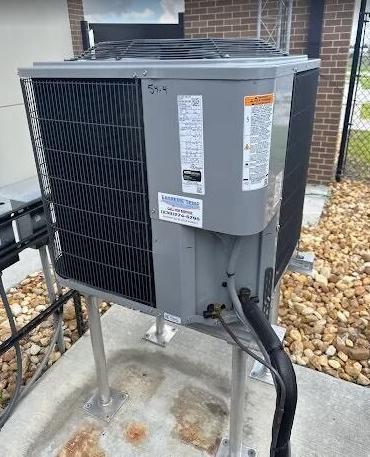
Central air conditioning is a traditional whole-home cooling system that distributes cool air through a network of ducts and vents. It uses a central unit, typically located outside or in a mechanical room, to cool the air, which is then pushed through the ducts by an air handler and delivered into each room.
This type of system is ideal for homes that already have ductwork installed, as it provides consistent, even cooling throughout the entire house with a single thermostat that controls the temperature.
Central air conditioning systems consist of several important components. The outdoor unit, or compressor, is responsible for pressurizing and circulating the refrigerant to cool the air. The indoor unit, or air handler, blows the cooled air through the duct system. Ductwork are the channels that carry the air to and from the various rooms. Finally, the thermostat serves as the central control unit for temperature settings.
Pros:
- Often more cost-effective per square foot in larger homes.
- Effective for cooling large spaces or entire houses.
- Unobtrusive, as there are no wall-mounted indoor units.
- Can work in tandem with a furnace for year-round temperature control.
Cons:
- Requires ductwork, which can be costly to install in older homes.
- Typically has single-zone temperature control.
- Duct leaks can reduce efficiency.
Whether you require a new central air installation, need your current AC repaired, or are wondering if a central air system is for you, the team at Extreme Temp can recommend the best decision for your unique circumstances. When you choose Extreme Temp Air Conditioning & Heating for your new central air installation, you can rest easy knowing you’ll receive quality equipment backed by professional and ongoing service.
Cooling Performance and Comfort
Both ductless and central air systems are effective in hot climates. However, they differ in how they deliver comfort. Ductless mini-splits often feature inverter technology, allowing them to adjust output and maintain consistent temperatures efficiently, even in extreme heat. Central air systems cool entire homes evenly but can lose efficiency if ductwork is poorly insulated or leaky.
Zoning is a major advantage of ductless AC. Each indoor unit operates independently, so you can set different temperatures for different rooms, which is perfect for households with varied comfort needs. Central air typically uses one thermostat for the whole house, although zoning is possible with added components, which increases both cost and complexity.
In terms of noise, ductless systems are quieter overall since the noisy compressor sits outside, and the indoor units operate silently. Central air systems can be quiet too, but airflow through ducts and fan noise from the air handler may be more noticeable. Air distribution can also differ, with central air offering a more uniform feel throughout the house, while ductless systems provide more direct cooling to specific zones.
Energy Efficiency
When it comes to energy efficiency, ductless AC systems generally have the upper hand. Many ductless units boast high SEER (Seasonal Energy Efficiency Ratio) ratings, often 20 or higher, while standard central air systems generally range from 13 to 18 SEER. Higher SEER means better energy performance, which can translate to lower cooling costs over time.
Ductless systems also avoid the energy losses that come with ductwork. Up to 30 percent of cooled air can be lost through leaks or poor insulation in central systems. As mini-splits are designed to cool specific zones on demand, they use only the energy necessary for occupied spaces, boosting overall efficiency.
Regarding smart technology, both systems can integrate with smart thermostats and energy management tools. However, central air typically connects more easily with whole-home smart systems. Some ductless systems have built-in smartphone apps and voice assistants for remote control and scheduling.
Keeping cooling costs low and manageable is a top priority for many home and business owners throughout Fort Myers, FL. That is why Extreme Temp is proud to offer a variety of financing options, as well as HVAC discounts and specials. Contact our team today to take advantage of our latest deals and save money on your cooling system installation, repair, or maintenance services.
Maintenance and Longevity
Both ductless and central air systems require regular maintenance to run efficiently, but the upkeep differs slightly between the two.
Ductless AC systems are generally easier to maintain as there is no ductwork to clean or inspect. Routine tasks include cleaning or replacing filters about every one to two months, wiping down the indoor unit, and checking the outdoor condenser for debris. Annual professional servicing is recommended to inspect refrigerant levels and overall system health.
Central air systems require more extensive maintenance. In addition to changing filters about every one to three months, ducts should be inspected periodically for leaks, dust buildup, or mold. The system’s blower, evaporator coils, and condenser also need regular checks and cleaning. Professional tune-ups are usually performed once or twice a year.
In terms of longevity, ductless systems typically last around 20 years with proper care, while central air systems can last an average of 15 to 20 years. However, duct issues can impact performance over time.
Aesthetics and Space Considerations
Aesthetics can play a big role in choosing between ductless and central air systems, especially if you’re mindful of how your cooling setup blends into your home’s design.
Ductless systems have visible indoor units, usually mounted high on a wall or ceiling. While modern mini-splits are sleek and compact, some homeowners may find them distracting or out of sync with their home’s interior style. However, their design allows for greater layout flexibility, especially in homes without existing ductwork or in spaces where adding ducts would be intrusive or impractical.
Central air systems, on the other hand, are virtually invisible. The ductwork is hidden behind walls and ceilings, and cool air is delivered through discreet vents. This seamless integration makes central AC a popular choice for those who prioritize clean, uncluttered interiors.
When it comes to space, ductless units don’t require large mechanical rooms or attic ductwork, making them ideal for smaller homes, apartments, or renovations. Central air systems, while more concealed, require sufficient space for ducts and equipment, which can be a limitation in compact or older homes.
Find Out Which Cooling Solution Is Right for You
Whether you’re leaning toward the full-home coverage of central air or the targeted efficiency of a ductless mini-split, the right system for your Florida home comes down to your space, comfort preferences, and cooling needs. Both options offer reliable relief from the Fort Myers heat — it’s just a matter of what fits your lifestyle best.
At Extreme Temp Air Conditioning & Heating, we’re here to help you weigh the pros and cons, answer your questions, and guide you toward the cooling solution that keeps you comfortable all summer long. From expert installation to honest advice, we make sure your system works as hard as it needs to — without wasting energy or money.
📞 Contact us today to schedule a consultation and find the perfect cooling system for your home. Your summer comfort starts with the right AC.

Thinking about a mini-split or a new central system? Learn more about ductless mini-split installation and AC replacement in Southwest Florida.